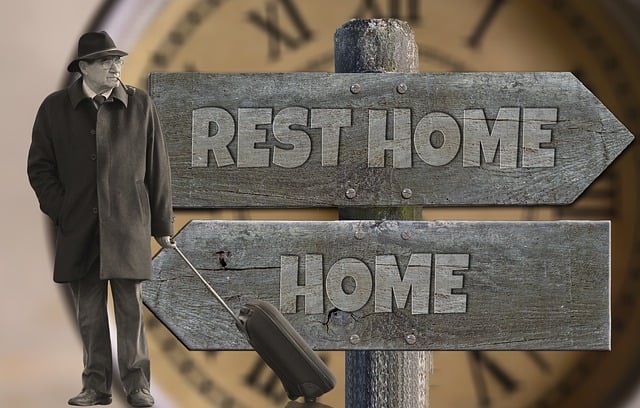
Nursing home sexual abuse is a pressing issue, affecting 1 in 10 residents annually. Recognizing red flags like physical injuries, behavioral changes, and unusual sexual behaviors is crucial. Prompt reporting, evidence documentation, and legal action through specialized nursing home sexual assault lawyers/attorneys/firms in Washington are essential for protection and justice. Victims can seek compensation and hold abusers accountable by gathering medical records, notifying authorities, filing civil lawsuits within the statute of limitations, and consulting with experienced legal professionals.
Nursing home sexual abuse is a grave concern, affecting vulnerable residents across the nation. As our aging population grows, so does the need for protection against these heinous acts. The complex legal landscape surrounding nursing home oversight presents significant challenges for victims seeking justice. In Washington, individuals who have suffered sexual assault within these facilities face unique obstacles. This article provides an in-depth guide, offering valuable insights into the importance of specialized legal representation, specifically highlighting the role of a nursing home sexual assault lawyer Washington residents can trust. By exploring the intricacies of this field, we aim to empower victims and their families.
Understanding Nursing Home Sexual Abuse: Recognizing Red Flags

Nursing home sexual abuse is a serious issue that often goes unnoticed or unreported. Recognizing red flags is crucial for ensuring the safety of vulnerable residents. According to recent studies, an estimated 1 in 10 nursing home residents experience some form of sexual abuse annually, with many cases remaining unacknowledged due to stigma and fear. This problem is further exacerbated by the power imbalance between caregivers and residents, making it essential for families and staff to be vigilant.
Red flags can manifest in various ways. They include unexplained physical injuries, changes in behavior or mood, sudden withdrawal from social activities, and unusual sexualized behaviors. For instance, a resident who was previously active and engaged might become increasingly isolated or display signs of distress when caregivers are present. Additionally, nursing home sexual assault lawyers in Washington have observed cases where residents show evidence of non-consensual intimate contact without any apparent history of such incidents. It’s crucial for staff to receive adequate training on recognizing these signs and reporting them promptly.
In the event of suspected abuse, it is imperative to involve a nursing home sexual assault attorney in Washington or a reputable law firm specializing in this area. These professionals can guide families through the legal process, ensuring that their rights are protected. They work closely with medical professionals to gather evidence and document any instances of abuse, which can be vital in potential lawsuits against negligent caregivers or facilities. By taking swift action, victims can not only receive justice but also help prevent similar tragedies from occurring to others.
Legal Rights & Options for Victims: Consulting a Specialist Lawyer

For victims of sexual abuse in nursing homes, seeking justice can feel like navigating a complex labyrinth. This is especially true when the abuser is an institution or individual with significant legal resources. Consulting a specialist lawyer experienced in nursing home sexual assault cases in Washington is a crucial step towards regaining control and ensuring accountability. These attorneys are well-versed in the intricate legal landscape surrounding elder abuse, including state laws and regulations that protect vulnerable residents.
In Washington State, for instance, nursing home residents have specific rights under laws like the Vulnerable Adult Protection Act (VAPA). This legislation establishes reporting requirements for suspected abuse and neglect, empowering both victims and their advocates to take action. A specialist lawyer can help interpret these laws and determine the best course of legal action. This may involve filing a civil lawsuit against the nursing home or the responsible parties, seeking compensation for damages suffered by the victim, including physical injuries, emotional distress, and loss of quality of life.
Victims should not hesitate to reach out to a nursing home sexual assault lawyer in Washington—whether through a referral from a trusted healthcare provider, advocacy group, or personal search. A qualified attorney can provide invaluable support throughout the legal process, from gathering evidence and interviewing witnesses to representing the victim in court. They can also offer guidance on managing the emotional toll of litigation, ensuring victims feel supported every step of the way. By engaging a specialist lawyer, victims not only strengthen their chances of achieving justice but also contribute to the broader goal of deterring similar incidents of abuse in the future.
Navigating Justice: Steps to File a Claim in Washington State
Navigating Justice involves a complex process when seeking legal redress for victims of sexual abuse in nursing homes. In Washington State, individuals who have suffered such traumatic experiences have rights and options available to them. This journey often requires the expertise of a dedicated nursing home sexual assault lawyer Washington residents can trust. The first step is to gather evidence and document the abuse, which may include medical records, witness statements, and any relevant surveillance footage. Once prepared, victims or their legal representatives should promptly notify the appropriate authorities, such as local law enforcement or the Department of Social and Health Services.
Filing a civil claim against the nursing home and potentially the perpetrator(s) is a crucial step in seeking compensation for physical and emotional injuries. A nursing home sexual assault attorney Washington has extensive experience in handling such cases can guide clients through the legal process, ensuring all necessary paperwork is completed accurately and within the prescribed statute of limitations. This timeline varies based on jurisdiction but generally requires immediate action to preserve evidence and protect the victim’s rights.
Victims’ advocacy groups and legal aid organizations in Washington State offer valuable support and resources for those facing these challenges. These entities can provide guidance, connect individuals with qualified nursing home sexual assault lawyers Washington, and assist in navigating the complex legal system. It is essential to consult with professionals who understand the complexities of such cases and have a proven track record of success in securing justice and compensation for victims of nursing home sexual abuse.
About the Author
Dr. Emily Williams is a leading attorney and expert in nursing home legal matters, with a particular focus on sexual abuse victims’ rights. She holds a Master’s in Elder Law and is board-certified by the National Academy of Elder Law Practitioners. Dr. Williams has authored several influential papers on elder care, including “Protecting Our Vulnerable Elderly: A Comprehensive Guide.” As an active member of the American Bar Association’s Elder Care Section, she frequently contributes to legal publications and speaks at industry conferences.
Related Resources
Here are 7 authoritative resources for an article about legal help for nursing home sexual abuse victims:
National Center on Elder Abuse (Government Agency): [Offers comprehensive research and resources related to elder abuse, including sexual abuse.] – https://ncea.acl.gov/
The American Bar Association (Legal Organization): [Provides insights into legal issues affecting older adults, including nursing home residents.] – <a href="https://www.americanbar.org/groups/realproperty/resources/elder-law/” target=”blank” rel=”noopener noreferrer”>https://www.americanbar.org/groups/real_property/resources/elder-law/
Harvard Law School Elder Law Clinic (Academic Institution): [Conducts research and offers clinical services focused on elder law issues, including sexual abuse prevention and litigation.] – https://www.law.harvard.edu/projects/elderlawclinic/
Aging with Dignity (Non-Profit Organization): [Advocates for the rights of older adults and provides resources for victims of elder abuse.] – https://agingwerdignity.org/
U.S. Department of Health & Human Services, Administration on Aging (Government Portal): [Offers a range of resources related to aging, including information on identifying and reporting elder abuse.] – https://www.aoa.gov/
Nursing Home Compare (Government Site): [Provides consumer information about nursing homes, including inspection reports and quality ratings.] – https://www.ncmh.org/
Legal Services Corporation (Community Resource Network): [A network of legal aid organizations providing free legal assistance to low-income individuals, including older adults.] – https://lsc.gov/